



Claire came home from knee surgery and wasn’t prepared for what followed. Not sharp, obvious pain – something deeper. Constant. The kind that made sleeping feel like a task that needed planning. Her surgeon prescribed Tapentadol 100mg. She’d never taken anything beyond ibuprofen before, and she had questions.
Here’s what she found out.
What Is Tapentadol?
Tapentadol is the active ingredient. 100mg is how much is in each tablet.
It gets prescribed when standard options stop working. Paracetamol, ibuprofen, anti-inflammatories – once those stop making a dent, this is the next step. It works on the brain and spinal cord rather than just the injury site. That matters for deep post-surgical pain that doesn’t respond to regular medicine.
Schedule 8 in Australia. You need a prescription. Not because it’s inherently dangerous but it’s strong, and it needs to be taken seriously.
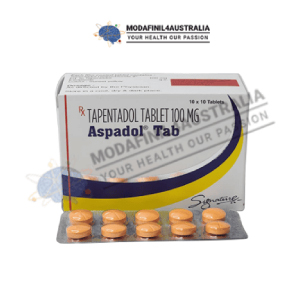
How Does It Work?
Most strong pain medicines do one thing. They bind to opioid receptors in the brain, which turns the volume down on pain.
Tapentadol does that. But it’s also doing something separate at the same time.
It stops your body reabsorbing norepinephrine – a chemical your nervous system uses to suppress pain signals on its own. So one mechanism blocks pain from above. The other strengthens your body’s ability to fight it from below. Both happening with one tablet.
That second part is why surgeons reach for it after procedures specifically. Post-surgical pain isn’t just tissue soreness. There’s almost always a nerve component – deep, radiating, sometimes electric. That combination handles it better than opioids alone.
It also means it needs less pure opioid activity to do its job. So the gut side effects – nausea, constipation – tend to be milder than with older strong opioids. Not absent. Just noticeably less of a problem for most people.
What Claire Actually Went Through?
Her surgeon was direct about how to take it. With food, on schedule, and before the pain becomes unbearable, not after.
She took the first dose the morning after coming home. Ate something light beforehand. Waited.
About 35 minutes later something shifted. The pain didn’t disappear. But it went from sharp and demanding to more of a background thing. Still there, but no longer running the show. She slept that afternoon for the first time since surgery.
By day three she was getting around on crutches with real confidence. At the end of week one, she was doing the stairs once a day.
“I just wanted it to be manageable. And it was.”
Mistakes That Catch First-Timers Off Guard
Waiting too long before the first dose is probably the most common one. Post-surgical pain is far easier to stay ahead of than to chase. Once you’re already at an 8 or 9 out of 10, you’re playing catch-up and the medicine has a harder job. Take it at the scheduled time, not when you’ve already hit your limit.
Skipping doses because things feel okay tends to bite people on day two or three. Pain’s manageable, they skip the afternoon tablet, and by 10pm they can’t figure out why everything’s worse. Tapentadol works by maintaining a consistent level in your system. Gaps break that.
Taking it on an empty stomach won’t hurt you but nausea becomes a lot more likely. Even something small beforehand – toast, a biscuit – makes a real difference.
Alcohol while on it is a firm no. They amplify each other’s sedative effects, and the breathing side of that combination isn’t something you want to find out about the hard way.
And if you’ve been on it for more than a few weeks, don’t just stop. Talk to your doctor and taper down. Stopping abruptly after extended use causes withdrawal symptoms that are entirely avoidable with a bit of planning.
Side Effects: What Most People Notice
Nausea is the most common one, mostly in the first day or two. It usually settles as the body adjusts. Eating before each dose keeps it manageable for most people.
Drowsiness catches people off guard early on. Don’t drive. Give it a few days before drawing any conclusions about how it’s sitting with you. Most people find it eases fairly quickly.
Constipation can show up, it’s a known side effect with this class of medicine. Fluids and fibre during recovery is the practical answer.
Dizziness when standing up too fast is something a decent number of people notice in the first few days. Moving more slowly when you get up tends to be enough.
Less common: headaches, dry mouth, mild sleep disruption. Usually short-lived.
If breathing becomes difficult, your heart is beating fast or irregularly, or you have any kind of severe allergic reaction – stop and get medical help immediately. Those situations don’t wait.
Drug Interactions – Tell Your Doctor Everything
SSRIs – antidepressants like sertraline or fluoxetine – can interact with Tapentadol and raise the risk of serotonin syndrome. That’s a serious condition, not a minor concern. Full disclosure before you start.
Benzodiazepines like diazepam or lorazepam significantly amplify the sedative effect. That combination needs direct medical oversight.
Other opioids alongside Tapentadol can cause additive respiratory depression. Don’t combine pain medicines unless a doctor has specifically directed it.
Carbamazepine and some other anticonvulsants can reduce how effective Tapentadol is. Tell your prescribing doctor everything you’re taking. All of it. Even supplements.
Getting the Dosing Right
One tablet every 12 hours is the standard starting dose for moderate to severe acute pain.
Swallow it whole, don’t crush or chew. It’s a controlled-release formulation. Breaking it down changes how fast it’s absorbed, and that causes problems.
Food and a full glass of water every time without exception.
If you miss a dose and you’re close to the next scheduled time, skip it and carry on normally. Taking two at once to compensate is not the move.
Daily maximum is 500mg. Anything above that hasn’t been adequately studied and isn’t recommended.
Tapentadol is designed for the shortest period needed to manage acute pain. If you’re still in significant pain beyond the expected recovery window, that’s a conversation for your doctor – not a reason to keep going independently.
What Claire Said Looking Back
She finished her course ten days after surgery. Physio started the week after.
The thing she kept coming back to wasn’t just that the pain was controlled. It was what that made possible. Actual rest. Sleep that worked. Being able to focus on her exercises without every movement being a battle against a constant background ache.
“Pain that isn’t controlled gets in the way of everything. I didn’t realise how much until it wasn’t there anymore.”
That’s what Tapentadol 100mg is actually for. Not permanent relief. Not to be taken longer than necessary. To make the recovery window manageable – the period when your body needs that help to do its job.
Where to Get Tapentadol 100mg in Australia
Modafinil 4 Australia supplies Tapentadol 100mg (Aspadol) across Australia with discreet packaging and reliable delivery. A valid prescription is required under Australian law.
Questions? Reach the team directly on WhatsApp.
Frequently Asked Questions
Q1. How long does Tapentadol 100mg take to work?
Ans. Most folks see a difference in 30 to 45 minutes. Don’t wait until you’ve reached your lowest point; it works best when taken before the agony gets really bad.\
Q2. Is Tapentadol addictive?
Ans. With continued use, physical dependence may develop. Although the risk is not as great as that of many conventional opioids, it nonetheless exists. For this reason, rather than being abruptly stopped, it is administered under medical supervision and taken off gradually.
Q3. Can I take Tapentadol with paracetamol?
Ans. Yes, most of the time, but only if your doctor has given you explicit instructions. Before combining any medications, make sure to check.
Q4. Can I drive while taking Tapentadol?
Ans. Not until you understand how it will affect you. Drowsiness is frequent in the initial days. Most doctors advise against driving during the early stages of treatment.
Q5. Is Tapentadol stronger than Codeine?
Ans. Yes, Tapentadol belongs to a distinct class of pain medication and is recommended when Codeine-level treatment is insufficient. It is far more strong than Codeine.
Q6. What happens if I miss a dose of Tapentadol?
Ans. If your next scheduled dose is close, skip the missed one and continue normally. Never double up to compensate – that increases side effect risk without improving pain control.
Q7. How is Tapentadol different from Tramadol?
Ans. Both use dual pathways, however Tapentadol is more effective and has fewer Serotonin effects than Tramadol, which reduces the likelihood of certain interactions. Your doctor can help you decide which option is best for you.