



Marcus nearly nodded off standing up.
Not at home. Not on the couch after a long day. Instead, he nearly nodded off at his workstation at 3:47am, in the middle of a quality check on a packaging line outside Adelaide.
He caught himself. He looked around. Nobody noticed.
But he noticed. And it scared him a bit.
Marcus, 38, works night shifts at a distribution facility – 10pm to 6am, four nights a week – for penalty rates. He didn’t anticipate how hard permanent nights would make it function normally.
He’d tried everything the internet recommends: coffee until his stomach hurt, big cans of energy drink that left him wired and exhausted at the same time, cold water on his face at 2am, and loud music through one earbud.
None of it really worked. Not past 3am.
Then a bloke he’d worked with for years – someone who’d been on nights for over a decade and still seemed fine – mentioned Modalert 200mg during smoko.
Curious, Marcus went home that morning and started reading.
What He Found Out – Starting With What’s Actually In It
Modalert 200mg has one active ingredient. Just one. It’s called Modafinil.
200mg of it per tablet, made by Sun Pharmaceuticals. They’re one of the bigger generic medicine manufacturers in the world – not some unknown lab. The product is approved by the TGA here in Australia, the FDA in America, and a few other major international health regulators.
Modafinil has been around since the late 1970s. It was originally developed for people with narcolepsy – a condition where the brain can’t reliably stay awake on its own. Over time, doctors began using it for other sleep-related conditions as well. Shift work sleep disorder is one of them.
So it’s not new. It’s not experimental. There’s a lot of research on it.
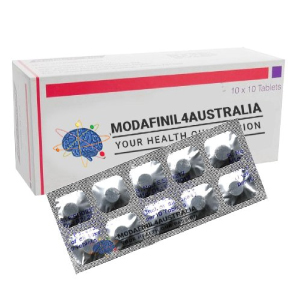
Why Does It Feel Different From Coffee?
This was the part Marcus kept coming back to while reading.
Most people assume Modafinil is basically strong coffee in tablet form. It isn’t. They work on completely different parts of the brain.
Coffee works by blocking adenosine receptors. Adenosine is what builds up throughout the day and makes you feel sleepy. Block those receptors, and you delay the tired feeling but only for a while. The second the caffeine clears your system, all that waiting adenosine floods back in. That’s the crash. That’s why 2am coffee makes you feel worse by 4am.
Modafinil doesn’t do that.
It works on the systems your brain actually uses to generate wakefulness – dopamine, histamine, and norepinephrine. Instead of blocking the tired signal, it supports the awake signal. An entirely different mechanism. Which is why people describe the experience so differently from caffeine. No spike. No jitter. Most people just say they felt normal. Properly awake, like they’d actually slept.
That distinction mattered to Marcus. He wasn’t after a buzz. He just wanted to do his job without having to fight his own brain the whole time.
The Formula Itself Is Pretty Unremarkable – In a Good Way
There isn’t much to break down beyond the Modafinil itself.
The other ingredients in the tablet are there for practical reasons – binding, absorption, and shelf stability. Nothing unusual. Nothing is designed to inflate a supplement label.
One thing worth knowing: the effect isn’t instant. It takes about 45 minutes to an hour to come on, then holds for about 6 to 10 hours. That window varies a bit from person to person. Food, body weight, how much sleep debt you’re carrying – all of it nudges the timing slightly.
The Night He Actually Tried It
Marcus talked to his GP before doing anything. He’s on blood pressure medication, so he wanted to check there wasn’t a conflict. There wasn’t, though his doctor did go through a few things to watch for.
He tried it before a Tuesday shift. He took the tablet about an hour before leaving, ate something, and drank water.
He expected to feel something obvious. He didn’t.
What he noticed was more like an absence – the absence of that weight he usually carried through the first couple of hours. Loading pallets felt unremarkable in the best possible way. He was just doing it, not grinding through it.
By 3 a.m., he was still tracking. Still sharp enough to catch a labelling issue on the line that would have caused a rejection downstream. Small things. But he knew he’d have missed it two weeks earlier.
6am came. He clocked off tired – the real kind, the earned kind. Drove home. Slept properly. Woke up and felt like himself.
The best way he could describe it: Modalert didn’t make him feel better than normal. It made him feel like his normal self, just at 4am instead of 4pm.
Honest Bit – What It Doesn’t Do?
It won’t fix a broken sleep schedule on its own. If you’re consistently getting four broken hours of sleep before a night shift, Modalert will help you function, but it won’t erase that debt.
The effects of Modalert also vary. Some people notice a clear difference with the first dose, others experience only subtle benefits, and a small number don’t find it helpful at all. Individual biology plays a big role here, so Modalert isn’t universally effective for everyone.
Alcohol doesn’t mix well with Modafinil, another important limitation to be aware of.
And it is a prescription medicine. Not because it’s dangerous in the hands of sensible adults, but because some conditions and medications interact with it in ways that need a doctor’s eye. Marcus’s GP conversation lasted about 10 minutes and cleared everything up. Worth having.
A Few Things Worth Knowing Before You Start
Never taken Modafinil before? Modalert 100mg is a sensible starting point. See how your body responds before going to the full 200mg.
Take it with water and food. Don’t take it close to your sleep window – six to ten hours is a long time, and poor timing will cost you rest you can’t afford to lose.
The most common things people notice are a mild headache and dry mouth. Both settle quickly with water and food throughout the shift.
In Australia, it’s a Schedule 4 prescription medicine. You need a valid script. If you work rotating shifts or have a diagnosed sleep condition, the conversation with your GP is worth having.
Back to the Original Question
Can Modalert 200mg get you through a 12-hour night shift?
For most, Modalert 200mg sustains wakefulness by supporting your brain’s alertness – not by masking fatigue.
It works best when you’re doing the other things too. Sleep when you can. Eating properly. Managing the roster as best you’re able. Modalert is one part of the picture, not the whole thing.
But as one part of that picture, it’s one of the better-researched options available for people doing exactly what Marcus does every week.
Modafinil 4 Australia stocks Modalert 200mg and ships across Australia. Discreet packaging, solid delivery times, and a team that’s easy to reach if you have questions.
👉 View Modalert 200mg — Modafinil 4 Australia
Questions? Hit the team up on WhatsApp.
Frequently Asked Questions
Q1. What’s in Modalert 200mg?
Ans. One ingredient – Modafinil at 200mg. Works on dopamine and histamine pathways to support wakefulness. Not a stimulant in the traditional sense.
Q2. How is it different from coffee?
Ans. Coffee delays tiredness by blocking adenosine receptors. Modafinil supports the systems that create alertness. Steadier, longer lasting, no crash when it wears off.
Q3. Will it keep me awake no matter what?
Ans. No. It supports your brain’s wakefulness systems. It doesn’t override biology. Sleep still matters.
Q4. Does it feel intense?
Ans. Most people say no. Calm focus, not a buzz. Present without being wired.
Q5. What do people commonly notice?
Ans. Mild headache and dry mouth are the most common. Both settle with water and food. Rarely a problem for long.